






Connect

Jacob Putnam

Systems thinker. Software developer. Founder of TechBeat.

Fort Pierce, Florida. I build the software businesses run on.

Jacob Putnam, arms crossed, smiling
Scroll to read my story

The shift

2026

Fourteen years of watching software fail.Fix it once. Automate the rest.

Fourteen years of watching software fail left me with one rule: you pay for a mistake once. What broke gets fixed so it cannot break the same way again, and anything a person has to repeat by hand goes to a machine. People are for the work that needs judgment. Everything else, see the shirt.

Jacob in his workshop wearing a shirt that reads Manual? Gross
The shirt says Manual? Gross. It is a joke, and also the policy.

The difference

A weekend and an AI tool will get you a website. It will not get you one that survives customers.

The tools are real. Somebody with no technical background can describe a site to an AI on Friday and have it online by Monday. I have done it. It is fun.

Then real customers show up. The site slows down. A payment fails. A form leaks something it should not. And nobody can explain why, because nobody understood what got built. The tool cannot fix what its owner cannot describe.

I have spent fifteen years starting every day with something broken. That is the whole job when you are the one they call after it fails. Do that long enough and a broken system stops looking like a crisis and starts looking like a starting line. You also learn to see the break coming before it happens.

You cannot prompt your way into that. You have to have lived it.

15+

years as the person called in after software breaks

The order I build in

  1. 01

    Scale

    Plan for the customers you want, not the ones you have.

  2. 02

    Performance

    Fast for the tenth user and the ten thousandth.

  3. 03

    Security

    Protect the data before you collect it.

  4. 04

    Function

    Then the features, on a foundation that holds them.

  5. 05

    Design

    So it feels like one product, not a pile of parts.

The journey

Fourteen years of skills, one at a time, until they added up to a builder.

Every year on this list added something I still use. The last one is where it all came together.

  1. 2012

    SOE Software

    Jacob early in his career, at a desk in a blue shirt

    Started in quality.

    Tested every core product by hand, then built the first automated regression suite so the team stopped repeating itself.

    AddedManual testingTest automationSQL
  2. 2013

    SOE Software

    Jacob smiling in a casual grey shirt

    Learned the business side.

    Moved into business analysis: requirements, workflows, acceptance testing, and translating between clients and developers.

    AddedRequirementsClient communicationAcceptance testing
  3. 2014

    VVitalz

    Jacob laughing in a teal shirt

    Made automation a discipline.

    Designed the automation strategy for an entire product line and wrote it in C# and .NET, documented so the team could own it.

    AddedC# and .NETTest strategyDocumentation
  4. 2015

    AAA, then Confluence

    Jacob in a blue suit jacket

    Inherited broken things and fixed them.

    Took over scripts from fifteen previous engineers, upgraded the tooling, and rebuilt them into data-driven frameworks that verified every new release.

    AddedFramework designData-driven testingRelease verification
  5. 2019

    Publix Super Markets

    Jacob relaxing in a chair on the beach

    Learned what breaks under real traffic.

    Load-tested enterprise applications and traced the bottlenecks. This is where scale stopped being a theory.

    AddedPerformance testingLoad testingTraffic analysis
  6. 2019

    TechBeat

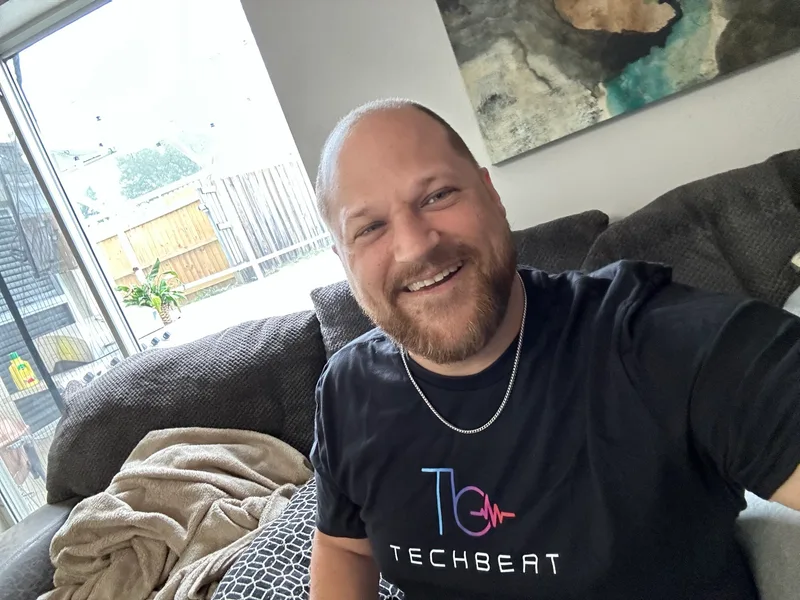
    Jacob on the couch in a TechBeat shirt

    Founded TechBeat.

    Started teaching engineers automation through courses, video, and a community. It became a company I still run.

    AddedTeachingContentRunning a business
  7. 2020

    ATAgileThought

    Jacob in a pink shirt, arms crossed

    Led teams, not just tests.

    Co-built a UI and API testing framework, trained teams on Agile, and ran the delivery boards that kept projects honest.

    AddedAPI testingAgile leadershipTeam training
  8. 2021

    Cognizant

    Jacob and Nicole on a boardwalk at night

    Enterprise healthcare, with the rules that come with it.

    Automated testing for healthcare systems under strict data rules, with reporting that gave leaders real evidence before a release.

    AddedRegulated dataComplianceRelease reporting
  9. The generative AI era

    2022

    ChatGPT
    GitHub Copilot
    Bolt
    Replit

    Generative AI arrived. I started the same week.

    ChatGPT launched in November 2022. I put it to work immediately: writing tests, analyzing results, then building the first agents that did the work themselves.

    AddedPrompt engineeringAI-assisted testingAI agents
  10. 2024

    IvoryCloud

    VS Code
    Cursor
    Claude
    Playwright

    Led AI-driven engineering.

    Moved a company’s entire automation program onto a modern framework, built AI products for hiring and fraud detection, and trained two manual teams to automate.

    AddedPlaywrightAI product designEngineering leadership
  11. 2025

    TechBeat

    Claude Code
    Gemini CLI
    Codex
    Cloudflare
    Supabase
    Azure AI

    Certified in AI, and shipping full platforms.

    Earned the Azure AI Engineer certification and launched AgentFoundry, Business Leaders Alliance, and Harbor Event Center: databases, payments, AI, and deployment, end to end.

    AddedAzure AICloud platformsPaymentsDatabasesThree-brain AI workflow

  12. Everything, together

    2026

    Full-stack development + QI engineer.

    I will not call myself a developer the way people who have written code for twenty years have earned that word. What I can say is this: I now build whole platforms end to end, the database, the app, the payments, the AI, the deploy, and I build them the way a quality engineer would. Fourteen years of proving other people’s software works is the discipline under everything I ship. That is Quality Intelligence, and it is the difference between software that demos and software that survives.

    Manual testingTest automationSQLRequirementsClient communicationAcceptance testingC# and .NETTest strategyDocumentationFramework designData-driven testingRelease verificationPerformance testingLoad testingTraffic analysisTeachingContentRunning a businessAPI testingAgile leadershipTeam trainingRegulated dataComplianceRelease reportingPrompt engineeringAI-assisted testingAI agentsPlaywrightAI product designEngineering leadershipAzure AICloud platformsPaymentsDatabasesThree-brain AI workflow

Education and certifications
  • Azure AI Engineer Associate

    Microsoft, 2025

  • B.B.A., Business Administration

    Eckerd College, 2016

  • TestComplete and ReadyAPI certification

    SmartBear

  • Test Studio certification

    Telerik

  • Tosca certification

    Tricentis

How I work

I see the whole system.

Every project is one system. What the business needs, the data behind it, and the road it takes to reach a customer.

My job is to make those pieces fit, and then prove they hold.

I spent a career on the proving part. Now I build the whole thing.

Next.jsCloudflare WorkersD1SupabaseR2StripeClaudePlaywrightGitHub Actions
  • Next.js: The application your customers use.
  • Cloudflare Workers: Where it runs: fast, everywhere, with nothing to babysit.
  • D1: The default database. Simple, fast, and low cost.
  • Supabase: The database for regulated data: insurance, health, finance. Row-level access rules and MFA.
  • R2: Files and documents, served securely.
  • Stripe: Payments, subscriptions, and invoices.
  • Claude: AI features with a spending cap built in.
  • Playwright: Automated proof that everything still works.
  • GitHub Actions: Every change tested and released automatically.

Three brains

Claude CodeGemini CLIChatGPT Codex

I do not trust one AI with anything that matters. Claude, Gemini, and OpenAI each get the work they are best at, and each one checks the others before it ships. Three opinions beat one, especially when the one is confident.

The tools behind the work

Build

TypeScript logo

TypeScript

Strict, everywhere.

Next.js logo

Next.js

App Router on every site.

React logo

React

Server components first.

Tailwind logo

Tailwind

Design tokens, not stylesheets.

Drizzle logo

Drizzle

Typed SQL and migrations.

Node.js logo

Node.js

Scripts, pipelines, tooling.

Python logo

Python

Media and data pipelines.

.NET logo

.NET

A decade of C# test frameworks.

Ship

Cloudflare logo

Cloudflare

Workers, D1, R2, Email, Tunnel.

Supabase logo

Supabase

Postgres with RLS and MFA for regulated data.

PostgreSQL logo

PostgreSQL

Self-hosted on the home server too.

GitHub logo

GitHub

Actions deploy every push.

Docker logo

Docker

Compose on the home server.

Ubuntu logo

Ubuntu

TB-Server, the always-on box.

Stripe logo

Stripe

Checkout, subscriptions, webhooks.

Resend logo

Resend

Transactional email.

Twilio logo

Twilio

SMS and WhatsApp.

Test

Playwright logo

Playwright

The framework I moved a company onto.

Selenium logo

Selenium

Ten years of suites.

Tricentis Tosca logo

Tricentis Tosca

Certified. UI and API.

SmartBear logo

SmartBear

TestComplete and ReadyAPI, certified.

Telerik logo

Telerik

Test Studio, certified.

JMeter logo

JMeter

Load and performance.

Vitest logo

Vitest

Unit tests on every project.

AI

Claude logo

Claude

Claude Code and the API. Brain one.

Gemini logo

Gemini

Gemini CLI and image generation. Brain two.

OpenAI logo

OpenAI

Codex and GPT. Brain three.

Azure AI logo

Azure AI

AI Engineer Associate.

Deepgram logo

Deepgram

Live transcription in AgentFoundry.

ElevenLabs logo

ElevenLabs

Voice for course production.

AssemblyAI logo

AssemblyAI

Batch transcription.

Firecrawl logo

Firecrawl

Web data for research.

fal.ai logo

fal.ai

Image and video models.

Run the business

Microsoft 365 logo

Microsoft 365

Graph API: calendar, mail, Teams.

Slack logo

Slack

Client rooms and bots.

Make logo

Make

Automation between everything.

Notion logo

Notion

Docs and planning.

Buffer logo

Buffer

Social scheduling.

Canva logo

Canva

Client graphics.

OBS logo

OBS

Recording.

DaVinci Resolve logo

DaVinci Resolve

Editing.

Home Assistant logo

Home Assistant

The studio lights, honestly.

logo.dev logo

logo.dev

Every logo on this page.

Featured work

Built, launched, and in use.

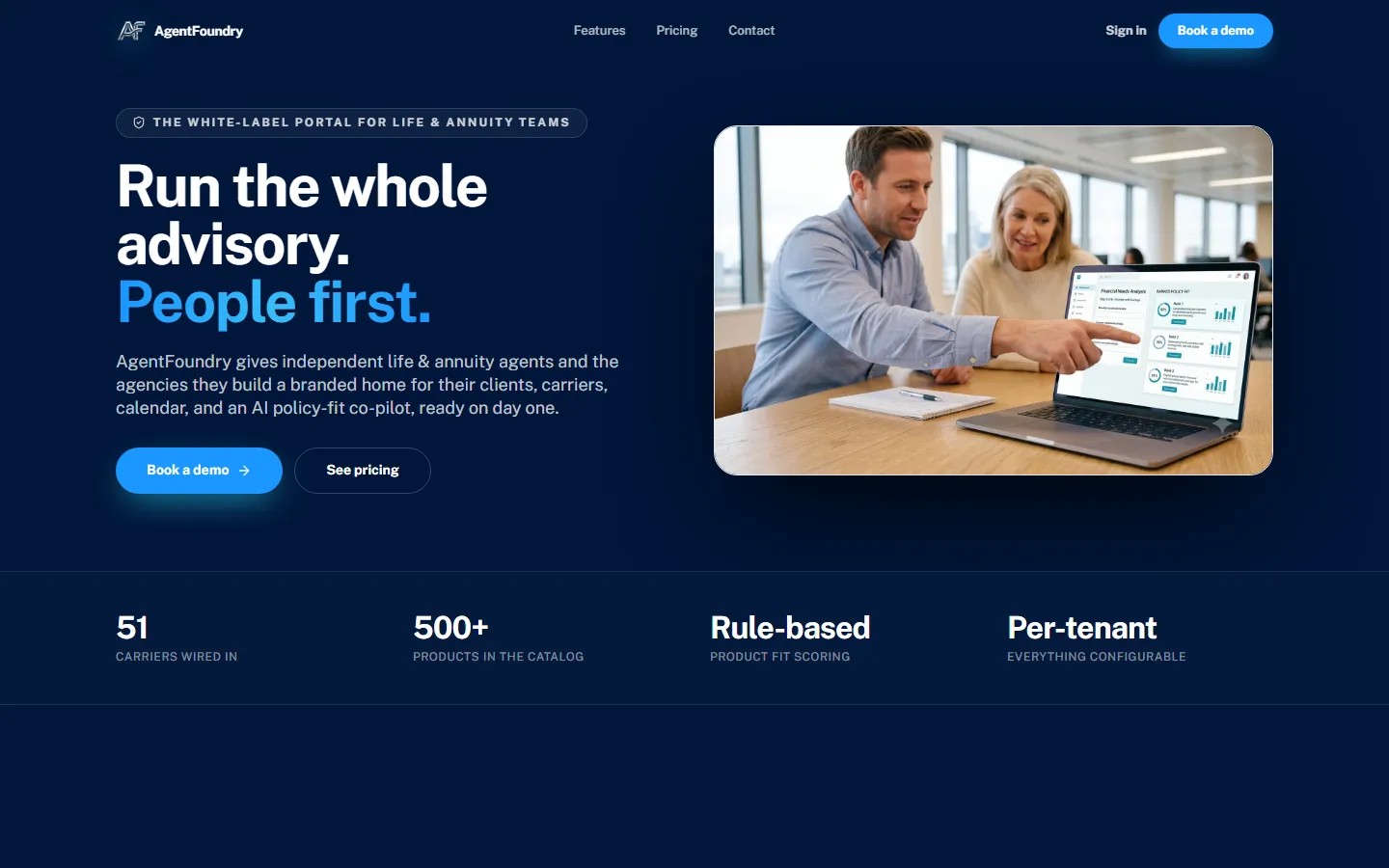
AgentFoundry homepage

AgentFoundry

A white-label platform for life and annuity insurance agencies and their agents.

  • A client-facing advisory mode agents can share on screen without exposing internal numbers.
  • Live-call AI that turns a conversation into notes and policy recommendations as it happens.
  • Client records with consent tracking, custom branding per agency, and automated billing.
Next.jsSupabaseCloudflare WorkersClaudeDeepgramStripe
Visit AgentFoundry
Business Leaders Alliance homepage

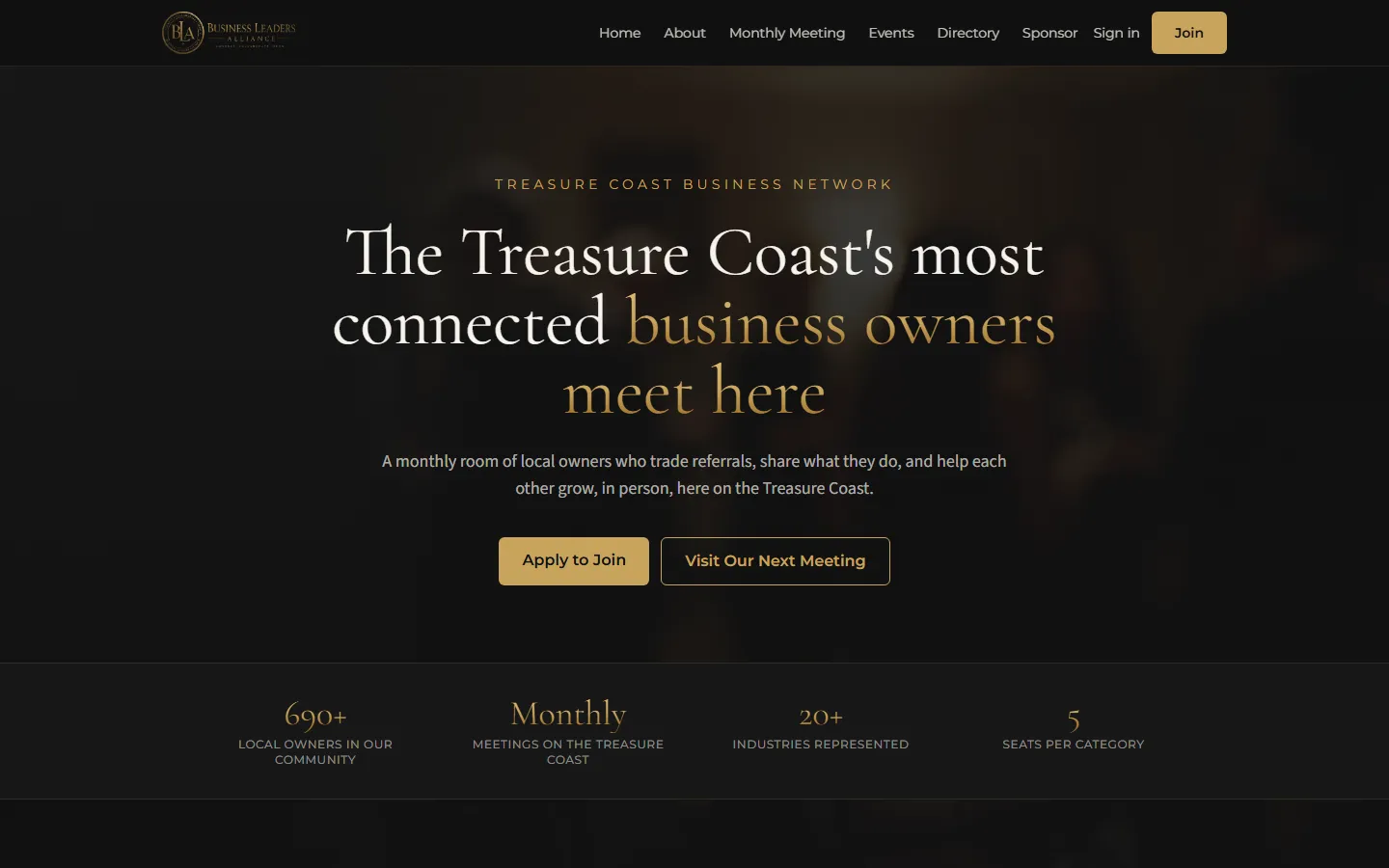
Business Leaders Alliance

A membership platform connecting local business owners through industry alliances.

  • Public site, member portal, and admin portal in one platform.
  • The Opportunity Matrix: referral matching between members.
  • Membership tiers billed automatically, with an admin view of the whole network.
Next.jsCloudflare PagesWorkersSupabaseStripe
Visit Business Leaders Alliance
Harbor Event Center homepage

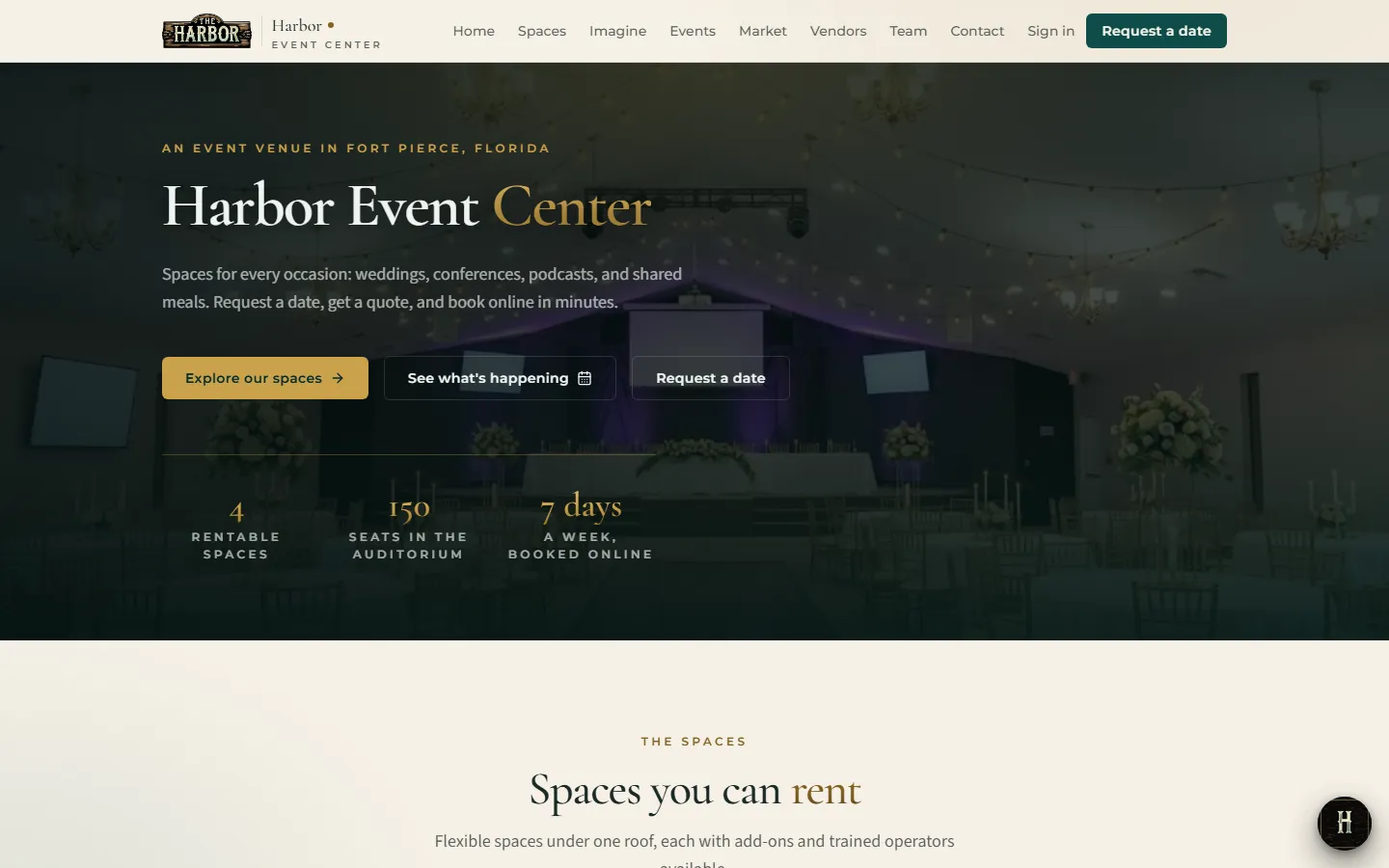
Harbor Event Center

A venue rental site with five bookable spaces and online checkout.

  • Customers book and pay for rentals and events online, with QR tickets and door check-in.
  • Runs on a single low-cost edge deployment with its own database and file storage.
  • Launched in weeks on the same proven foundation every TechBeat site starts from.
Next.jsCloudflare WorkersD1R2DrizzleStripe
Visit Harbor Event Center

TechBeat

The company I run.

I started TechBeat in 2019 to teach engineers automation. It turned into a software company. Today TechBeat Solutions builds custom platforms for businesses that have outgrown templates, and TechBeat Daily is where people learn to build with AI.

TechBeat

Build

TechBeat Solutions

Custom websites, business platforms, and AI features for companies that deserve their own software.

techbeatsolutions.com

Community

TechBeat Daily

Videos, courses, and a community for people learning automation and AI.

techbeatdaily.com

The workshop

This is where things get done.

Every screen in this room has a job: building, testing, recording, and watching what is live. When a client’s system breaks at nine on a Friday night, this is where it gets fixed.

Turn the sound on. That is the TechBeat vibe.

The Workshop // Fort Pierce

Twenty-six seconds of the room, on a loop. It plays quietly on its own; the sound is yours to turn on.

Beyond the code

Off the clock.

I am married to Nicole, who runs her own business and keeps me honest about what a real customer needs.

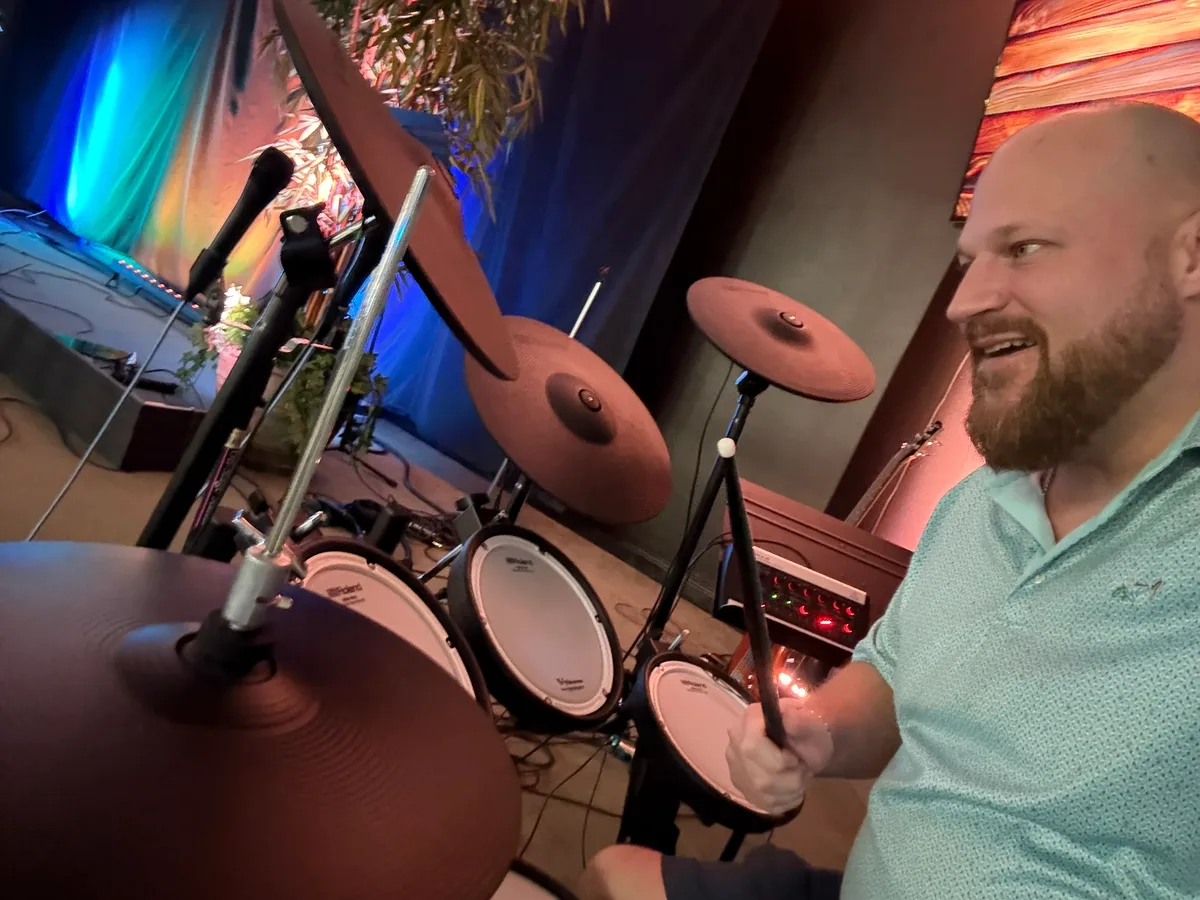
We live in Fort Pierce, on the Treasure Coast. When I am not building, I am behind a drum kit, on the water, or at church with family.

Jacob smiling at a restaurant table
Jacob playing the drums
Jacob and Nicole Putnam, studio portrait

What I stand on

Everything I do starts with my faith.

Not a footnote. The foundation. My faith is what carries my honesty and my integrity into every project, every conversation, and every line of code. So I am going to be as direct with you as I am with everyone else.

I am a follower of Jesus. Before any hard conversation, with a client, a teammate, or my wife, I have a conversation with God first. It is where I check my motives before I hand somebody my words. The work you see on this page comes out of that, not the other way around.

Here is what fifteen years of starting with broken taught me: the truth about a broken thing is cheapest early. So you will get straight answers from me. If your plan will not hold up at scale, I will say so before you pay for it, not after. I would rather lose a project than sell you one that falls over.

Peace is not the absence of storms, but God’s presence in the midst of the storm.
From the opening page of the book I am writing
FEAR: The Two Doors, book cover

I am writing a book about this

FEAR: The Two Doors

When to walk through it. When to walk away.

It is about learning to read fear correctly. Some fear is protecting you. Some fear is keeping you stuck. Most people never learn to tell the two apart, and I spent years confusing them myself. The book is what I figured out, told through the only world I really know: fixing broken things.

In draft. Not yet published.

Questions about the book? Ask Jacob

Four ideas from the book, and how they show up in my work

01

Start with broken.

Broken is not a crisis. It is the starting line. Every system I have ever been handed was already broken somewhere, so I do not spend the first hour being surprised by it. I ask three things, in order: what broke, why did it break, and what is the shortest safe path to fixing it. Then I walk that path.

A failing system is not a disaster to me. It is Monday. The fire is where the real work is, and I have spent my whole career walking toward it.

02

Ready enough beats perfect.

Every product ever shipped had known issues on launch day. Waiting for perfect does not remove them. It only hides them from the people who could tell you which ones actually matter. Quality is a process, not a finish line, and the process needs real users to run.

I launch what is ready, measure what is real, and keep improving out in the open. Ready means it does the job, it cannot hurt anyone, and it can be rolled back.

03

Two questions.

Before any decision, I ask the first question: can this be undone? If the answer is yes, then fear is lying to you. Try it, watch what happens, and fix it if you have to. If the answer is no, the second question decides it: does this hand someone else something I cannot take back? If it does, slow down, check it twice, and get it right the first time.

Bold in the sandbox, where a mistake costs me an afternoon. Careful with people, with money, and with anything that is not mine to break.

04

Honesty comes with awareness.

“I was just being honest” is one of the most dangerous phrases in the language. Honesty is not a license to say whatever you think the second you think it. Words live in other people long after you have forgotten saying them, and you do not get them back.

I say the hard thing, to your face, when it needs saying. I also think about what it will do once it is out of my mouth, and I choose the version you can actually use.

Ask Jacob

Have a question? Ask.

This is an AI version of me. It answers from notes I wrote about my work, my story, and the book. Good for the quick questions. For the real conversation, use the form below.

Good things to ask about

  • The projects and what they run on
  • How I would approach your project
  • The move from testing into building
  • The book, and the two questions

Jacob (AI)

Online

Try one

Your question

Answers come from a curated knowledge base and can be wrong. Nothing you type is tied to you.

Connect

Let us build something.

Open to conversations

I read every message myself. You will hear back from my TechBeat inbox, usually within a business day.

Email me

jacob.putnam@techbeatsolutions.com

Send a message

Jacob Putnam, signature